Gibs: A Serif Font for Sophisticated Branding and Digital Campaigns
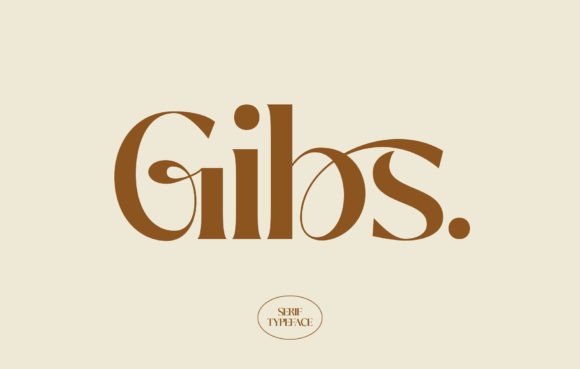
When I was finalizing the visual assets for a luxury lifestyle brand’s product launch, I knew I needed a font that could carry both elegance and clarity. That’s when I reached for Gibs—a serif font that blends classic elegance with modern sophistication. Its refined serifs and well-proportioned letterforms made it an ideal choice for branding, editorial work, and luxury design. It wasn’t just about looking good; it was about making sure every campaign element felt intentional and aligned with the brand’s identity.
Gibs for Luxury Branding and Editorial Design
Gibs is more than just a pretty font—it’s a tool for storytelling. When designing a promotional graphic for a high-end fashion collection, I used Gibs as the primary text to convey exclusivity and refinement. The subtle curves of its serifs added a touch of sophistication that felt right at home in editorial layouts and brand collaterals. It worked particularly well with dark backgrounds, where its contrast made headlines stand out without overwhelming the visual composition.
I also found that Gibs handled long-form content with grace. Whether it was a product description or a campaign tagline, the font maintained readability while keeping its elegant flair. This balance between form and function is what makes it so versatile for both print and digital campaigns.
Gibs on Social Media: Instagram and Pinterest
Social media requires fonts that can adapt to fast-scrolling feeds and small screens. I tested Gibs across several Instagram posts and Pinterest pins, using it for headlines and callouts. On mobile, its clean structure ensured legibility even at smaller sizes. I paired it with a sans-serif font like Montserrat for contrast, which helped highlight key messages without losing the font’s signature charm.
For a recent Pinterest campaign promoting a luxury skincare line, I used Gibs for the main title and a sans-serif font for supporting text. The combination created a visually balanced layout that felt both professional and approachable. The font’s versatility allowed it to work across different platform aesthetics, from minimalist grids to curated editorial-style boards.
Gibs in Video Content: YouTube Thumbnails and Reels Covers
Video content is all about first impressions, and Gibs delivered. When creating YouTube thumbnails for a beauty vlog series, I used the font for the main headline. Its bold yet refined appearance immediately communicated quality and style, which is essential for attracting viewers in a competitive space. I made sure to use bold weights for maximum visibility, ensuring the text stood out against dynamic video backgrounds.
For Instagram Reels covers, I experimented with different weights and styles of Gibs. Lighter variations worked well for decorative titles, while heavier versions were better suited for clear, impactful messaging. The font’s ability to maintain clarity across varying formats made it a reliable choice for video-based campaigns.
Gibs for Digital Ads and Web Design
In digital advertising, typography plays a crucial role in user engagement. I used Gibs for a series of Facebook and Google Ads targeting a premium audience. The font’s elegance helped reinforce the brand’s positioning as sophisticated and trustworthy. I paired it with a clean sans-serif font for the body copy, ensuring the message remained scannable while maintaining visual interest.
On the website, I applied Gibs to headers and hero sections, where its presence made a strong visual impact. However, I avoided using it for body text due to its slightly intricate structure, which could affect readability on smaller screens. Instead, I reserved it for headlines, logos, and promotional banners, where its strengths truly shone through.
Gibs for Email Marketing and Promotional Graphics
Email marketing relies heavily on clear, concise typography. I used Gibs for subject lines and header text in a product launch email campaign. The font’s refined look helped set the tone for the entire message, making it feel more premium and less generic. I also used it for quote graphics and promotional banners, where its elegant style complemented the brand’s overall aesthetic.
One thing I noticed was how Gibs performed in dark mode environments. Its high contrast made it readable on dark backgrounds, which is especially important for users who prefer this setting. This adaptability made it a great fit for multi-platform campaigns that needed consistent visual language across different devices and settings.
Gibs for Brand Consistency and Typography Pairing
Consistency is key in branding, and Gibs helped maintain that across multiple campaign elements. I paired it with a modern sans-serif font like Inter for a clean, balanced look. For more traditional designs, I used another serif font like Playfair Display to create a cohesive typographic system. This pairing allowed me to use Gibs in its most effective roles—headlines, logos, and decorative elements—while keeping the rest of the design grounded in simplicity.
Before using Gibs in client campaigns, I always checked the included styles, ligatures, and file formats to ensure compatibility. Its support for multilingual characters was also a plus, making it suitable for international campaigns. I also verified the commercial licensing terms to make sure it could be used in ads, templates, and branded content without any restrictions.