Pisang Lagi: A Handwritten Font for Creative Branding
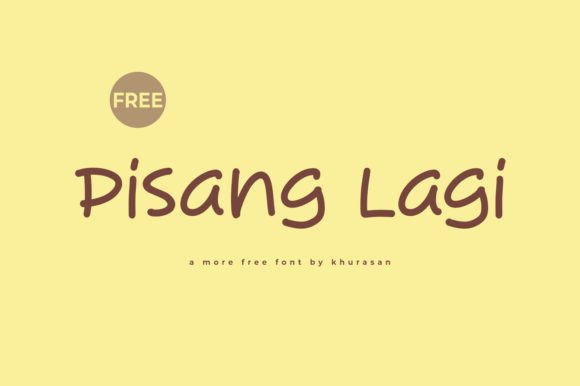
There’s something oddly satisfying about opening a blank brand board and letting the design process unfold. For a recent boutique identity project, I found myself staring at a white canvas, wondering which font would best capture the warmth and personality of the brand. That’s when I pulled out Pisang Lagi, a modern handwritten font that immediately felt like a natural fit. It wasn’t just about aesthetics—it was about how it could shape the entire visual language of the project.
Pisang Lagi for Logo Design and Brand Identity
Pisang Lagi is a handwritten font with a clean, contemporary edge that makes it ideal for logos and brand identities. When I first tested it on a logo concept for a local café, I was struck by its balance between casual charm and professional clarity. The strokes are smooth yet expressive, giving the brand a friendly yet approachable feel. It works particularly well when paired with a sans serif typeface for contrast and hierarchy.
I used Pisang Lagi as the primary typeface for the café’s name, and it brought an immediate sense of character to the design. The font’s personality—warm, inviting, and slightly playful—aligned perfectly with the brand’s vibe. It’s not too ornate, which keeps it from feeling cluttered or overly decorative. This makes it a great choice for small businesses looking to create a memorable brand identity without sacrificing readability.
Pisang Lagi for Packaging and Product Labels
When designing packaging for a new line of handmade soap, I needed a font that would stand out on the shelf but still feel approachable. Pisang Lagi came to mind almost instantly. Its handwritten style adds a touch of authenticity and craftsmanship, which complements the artisanal nature of the product.
I tested it on mockups of the packaging labels and was impressed by how it maintained legibility even in smaller sizes. While it’s not designed for long body text, it worked beautifully as a headline or tagline. The font’s subtle variations in stroke weight give it a dynamic feel, making it perfect for short phrases and key branding elements.
One thing I noticed was how Pisang Lagi can be easily matched with other fonts to create a cohesive typographic system. In this case, I paired it with a simple sans serif font for the product descriptions, ensuring a clear visual hierarchy. This kind of font pairing is essential for creating a balanced and professional look.
Pisang Lagi for Social Media Graphics and Web Design
Another area where Pisang Lagi shines is in social media graphics and web design. I used it for a series of Instagram posts promoting the café’s new seasonal menu. The font’s handcrafted feel added a personal touch, making the content feel more engaging and authentic.
On the website, I used Pisang Lagi for the hero section and call-to-action buttons. Its readability at larger sizes made it an excellent choice for headlines and accents. However, I made sure to use it sparingly, reserving it for key messages rather than long paragraphs. This helps maintain a clean and uncluttered layout, especially on mobile devices.
One thing to keep in mind is that Pisang Lagi is best suited for display purposes rather than long body text. If you’re using it for a website or blog, it should complement other fonts rather than take over the entire design. This ensures that the typography remains functional and visually appealing across different platforms.
Pisang Lagi for Print and Editorial Design
For a magazine cover I was working on, Pisang Lagi offered a fresh and modern alternative to traditional serif or sans serif fonts. Its handwritten style gave the cover a unique visual appeal while maintaining a level of sophistication that suited the publication’s target audience.
The font’s versatility allowed me to experiment with different layouts and compositions. Whether used as a headline, subtitle, or accent, Pisang Lagi added a distinct personality to the design. It also worked well in editorial contexts, such as book covers and promotional materials, where a touch of creativity is needed without overwhelming the reader.
One thing I appreciated was how Pisang Lagi performed in print. The ink trails and subtle flourishes gave it a tactile quality that translated well to physical media. It’s a great option for designers who want to add a bit of character to their printed work without sacrificing professionalism.
Considerations and Best Practices for Using Pisang Lagi
While Pisang Lagi is a fantastic font, it’s important to consider its limitations. As a handwritten font, it may not be the best choice for formal corporate settings or projects that require strict readability at small sizes. It’s also not ideal for long blocks of text, where a more structured font would be better suited.
If you’re planning to use Pisang Lagi in client work, I recommend testing it in different contexts before finalizing the design. Try using it on business cards, posters, and social media graphics to see how it performs in real-world scenarios. This will help you determine whether it’s the right fit for your specific project.
Additionally, always check the commercial font licensing terms before using Pisang Lagi in any client work, especially if it’s being used for packaging, templates, or digital products. Some free fonts may have restrictions on how they can be used commercially, so it’s important to be aware of these details upfront.
Overall, Pisang Lagi is a versatile and stylish font that can elevate your designs in a variety of ways. Whether you’re working on a logo, packaging, or social media graphic, it has the potential to make a strong visual impact. With its modern handwritten style and wide range of applications, it’s a valuable addition to any designer’s toolkit.