Candy Kitten: A Script Font for Elegant Editorial Design
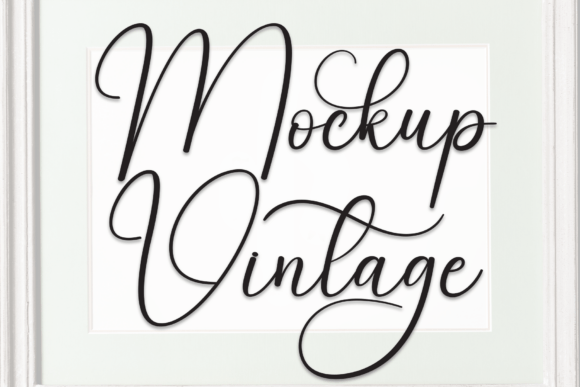
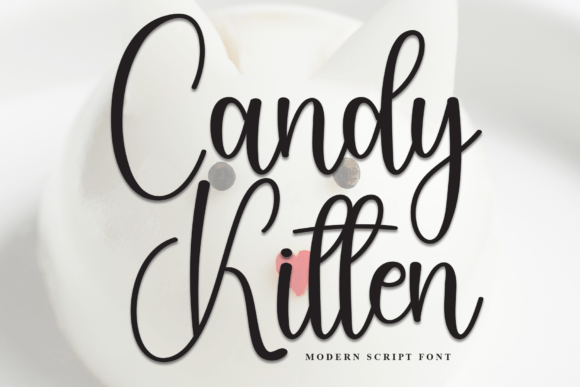
Candy Kitten is a script handwritten font that brings a refined elegance to editorial layouts. Its fluid lines and graceful curves make it ideal for projects that demand both visual appeal and readability. Whether you're designing a wedding invitation or crafting a newsletter header, Candy Kitten adds a touch of sophistication without overwhelming the content.
Candy Kitten for Wedding Invitations and Elegant Branding
When redesigning a wedding guide, I found myself searching for a font that could capture the romance and formality of the occasion. Candy Kitten emerged as the perfect choice. Its elegant strokes and soft serifs create a sense of intimacy and grace, making it ideal for invitations, thank you cards, and event branding. The font’s subtle variation in weight gives it a natural feel, avoiding the stiffness often associated with more rigid script fonts.
Pairing Candy Kitten with a clean sans serif font like Montserrat for body text ensures a balanced hierarchy. This combination works well in digital and print formats, offering both aesthetic appeal and functional readability. For logos and brand identity, Candy Kitten’s versatility allows it to adapt seamlessly to different design contexts—whether it's a minimalist logo or a more ornate stationery set.
Candy Kitten for Quotes and Pull Quotes in Editorial Layouts
In a recent project involving a lifestyle blog redesign, I used Candy Kitten for pull quotes and section headings. Its flowing nature makes it an excellent choice for emphasizing key phrases or adding visual interest to otherwise plain text. The font’s rhythm complements the tone of the content, whether it’s a heartfelt quote or a motivational statement.
One thing to note is that Candy Kitten is best suited for short bursts of text rather than long paragraphs. When used in longer sections, its expressive style can become distracting. However, when applied thoughtfully, it enhances the reader’s experience by guiding their attention to the most important parts of the layout.
Candy Kitten for Logos and Brand Identity in Digital Products
For a course PDF, I needed a font that would reflect both creativity and professionalism. Candy Kitten fit the bill perfectly. Its elegant curves and modern structure make it suitable for logos, headers, and other branding elements. It’s particularly effective when paired with a geometric sans serif font, creating a balance between playfulness and seriousness.
When considering commercial use, it’s important to check the font’s licensing details. Candy Kitten is available in various styles and weights, which allows for greater flexibility in design. The font also supports multiple languages, making it a great option for international audiences or multilingual publications.
Candy Kitten for Greeting Cards and Thank You Notes
Designing printable planners and greeting cards often requires a font that feels personal yet professional. Candy Kitten delivers on both fronts. Its handwritten quality adds warmth and individuality, while its clean structure ensures clarity. This makes it ideal for thank you notes, holiday greetings, and other personal correspondence.
When working with print materials, it’s essential to consider how the font will render at different sizes. Candy Kitten maintains its legibility even when scaled down, which is crucial for small text elements like captions or labels. In digital formats, the font performs well across platforms, ensuring consistency in web and mobile layouts.
Candy Kitten for Business Cards and Packaging Design
For a digital magazine layout, I used Candy Kitten to highlight key sections and add decorative accents. Its ability to blend elegance with simplicity made it a standout choice for business cards and packaging design. The font’s versatility allows it to be used in both high-end and casual settings, depending on the context and styling.
When pairing Candy Kitten with other fonts, it’s important to maintain a cohesive design language. Using a complementary serif or sans serif font for body text helps prevent visual clutter. Additionally, checking for included ligatures and alternates can enhance the font’s usability in creative projects.
Candy Kitten for Content Structure and Visual Hierarchy
Candy Kitten’s design supports clear visual hierarchy, making it an excellent tool for structuring content. Whether it’s a newsletter header, a chapter opener, or a decorative accent, the font adds a layer of sophistication that elevates the overall design. Its expressive nature encourages a more engaging reading experience, especially in editorial layouts that require a balance between aesthetics and functionality.
While Candy Kitten excels in display roles, it’s not recommended for body copy due to its expressive style. For dense paragraphs or formal reports, a more traditional serif or sans serif font would be more appropriate. However, when used strategically, Candy Kitten can significantly enhance the visual appeal of any editorial project.