Most Authentic: A Script Font for Elegant Editorial Design
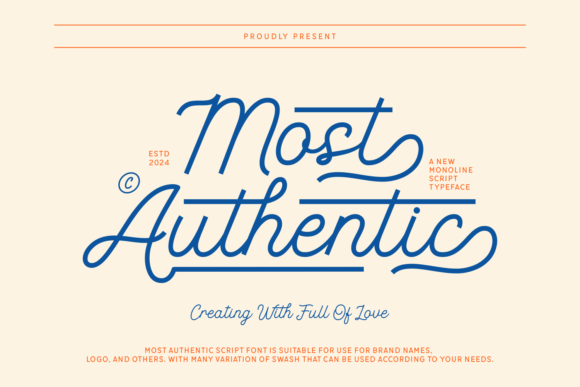
When I was redesigning the header for my lifestyle blog, I knew I needed a font that would balance warmth with professionalism. Most Authentic stood out as the perfect choice—a script handwritten font that feels both refined and approachable. It’s not just another display typeface; it’s a thoughtful addition to any editorial design project, offering a unique blend of elegance and readability.
Most Authentic for Wedding Invitations and Elegant Branding
One of the first times I used Most Authentic was for a wedding guide I was designing. The font’s delicate strokes and flowing lines gave the text a personal touch without sacrificing clarity. It worked beautifully on the cover, where it added a sense of sophistication that aligned with the event’s tone. Whether it’s for wedding invitations or brand logos, Most Authentic brings a level of craftsmanship that elevates the overall look of the design.
The font’s handwritten quality makes it ideal for creating a warm, inviting feel in branding materials. It pairs well with clean sans serif fonts for body copy, ensuring that the design remains balanced and easy to read. For those looking to create a cohesive brand identity, Most Authentic offers a versatile option that can be adapted to various applications, from social media graphics to packaging design.
Most Authentic for Lifestyle Blogs and Content Branding
As a blogger, I’ve found that Most Authentic is especially useful for content branding. When I redesigned my blog header, I wanted something that felt personal yet professional. Most Authentic fit perfectly, adding a touch of character without overwhelming the reader. Its elegant curves and soft transitions make it an excellent choice for titles, chapter openers, and pull quotes in long-form content.
Using Most Authentic in blog headers and article titles helps establish a visual hierarchy that guides the reader through the content. It’s important to consider how the font interacts with other design elements, such as color and spacing, to maintain a consistent and engaging layout. Most Authentic’s versatility allows it to work across different platforms, from web design to print materials, making it a valuable asset for any content creator.
Most Authentic for Recipe Ebooks and Printables
When I was working on a recipe ebook, I needed a font that could convey both the warmth of cooking and the professionalism of the publication. Most Authentic provided the perfect solution. Its script style adds a handcrafted feel to the text, which complements the organic nature of recipes while maintaining a clear and readable format.
For printable guides and worksheets, Most Authentic works exceptionally well when paired with a readable serif or sans serif font for body copy. This combination ensures that the design remains accessible on both screen and print. Additionally, Most Authentic supports multilingual characters, making it a great choice for international audiences or content that spans multiple languages.
Most Authentic for Digital Magazines and Newsletter Headers
In digital magazine layouts and newsletter headers, Most Authentic adds a touch of personality that stands out without being distracting. Its flowing script style is particularly effective for headlines and subheadings, drawing the reader’s eye while maintaining a sense of elegance.
When using Most Authentic in digital formats, it’s essential to test its readability on different screen sizes and resolutions. The font’s legibility at smaller sizes makes it suitable for mobile layouts and PDF exports, ensuring that the design remains consistent across all platforms. Pairing it with a clean sans serif font for body text helps maintain a balanced and professional look.
Most Authentic for Coaching Workbooks and Course PDFs
Most Authentic has also been a valuable tool in creating coaching workbooks and course PDFs. Its warm and inviting style aligns well with the supportive and educational nature of these materials. Whether it’s for section headings, pull quotes, or decorative accents, the font adds a personal touch that enhances the overall reading experience.
When designing content for educational purposes, it’s important to prioritize readability and accessibility. Most Authentic’s clear letterforms and moderate weight make it suitable for longer reading sections, ensuring that the text remains engaging without becoming overwhelming. Its adaptability means it can be used in a variety of ways, from title pages to instructional diagrams.
Most Authentic for Editorial Layouts and Visual Hierarchy
Most Authentic excels in editorial layouts where visual hierarchy plays a crucial role. Its script style allows for creative use in headings, captions, and decorative elements, helping to guide the reader through the content. By varying the font weight and spacing, designers can create a dynamic layout that keeps the audience engaged.
When pairing Most Authentic with other fonts, it’s important to choose complementary styles that enhance rather than compete. A clean sans serif font for body text provides a strong contrast, while a modern serif font can add depth to the design. These pairings ensure that the overall layout remains cohesive and visually appealing.
Most Authentic for Brand Identity and Commercial Use
Most Authentic is more than just a font—it’s a powerful tool for building brand identity. Its elegant and warm character makes it ideal for commercial use, whether it’s for logo design, packaging, or marketing materials. The font’s versatility allows it to be adapted to various industries, from fashion to wellness, making it a valuable asset for creators looking to establish a strong visual presence.
Before using Most Authentic in commercial projects, it’s important to check the included styles, alternates, ligatures, weights, and file formats. Ensuring that the font meets the requirements for ebooks, templates, and digital downloads will help maintain consistency and quality across all deliverables. With proper licensing, Most Authentic can be confidently used in a wide range of editorial and commercial applications.